The Dangerous Goods Code and AS1940 | SCF

The Dangerous Goods Code: A Practical Guide to Your GHS 7 and AS1940 Obligations

Flammable and combustible liquids are essential to many New Zealand workplaces, from fuels and solvents to paints, cleaning agents and alcohol‑based products. But when stored incorrectly, these substances present serious fire, explosion and environmental risks.

The Two Pillars of NZ Compliance: Understanding GHS 7 vs. AS1940

If you manage or work on a site in New Zealand, you will hear two terms thrown around the yard; GHS 7 and AS1940. It can be easy to confuse them, however they are two completely different systems that must work together on your site.

To stay compliant, you need to understand where GHS 7 starts and AS1940 begins:

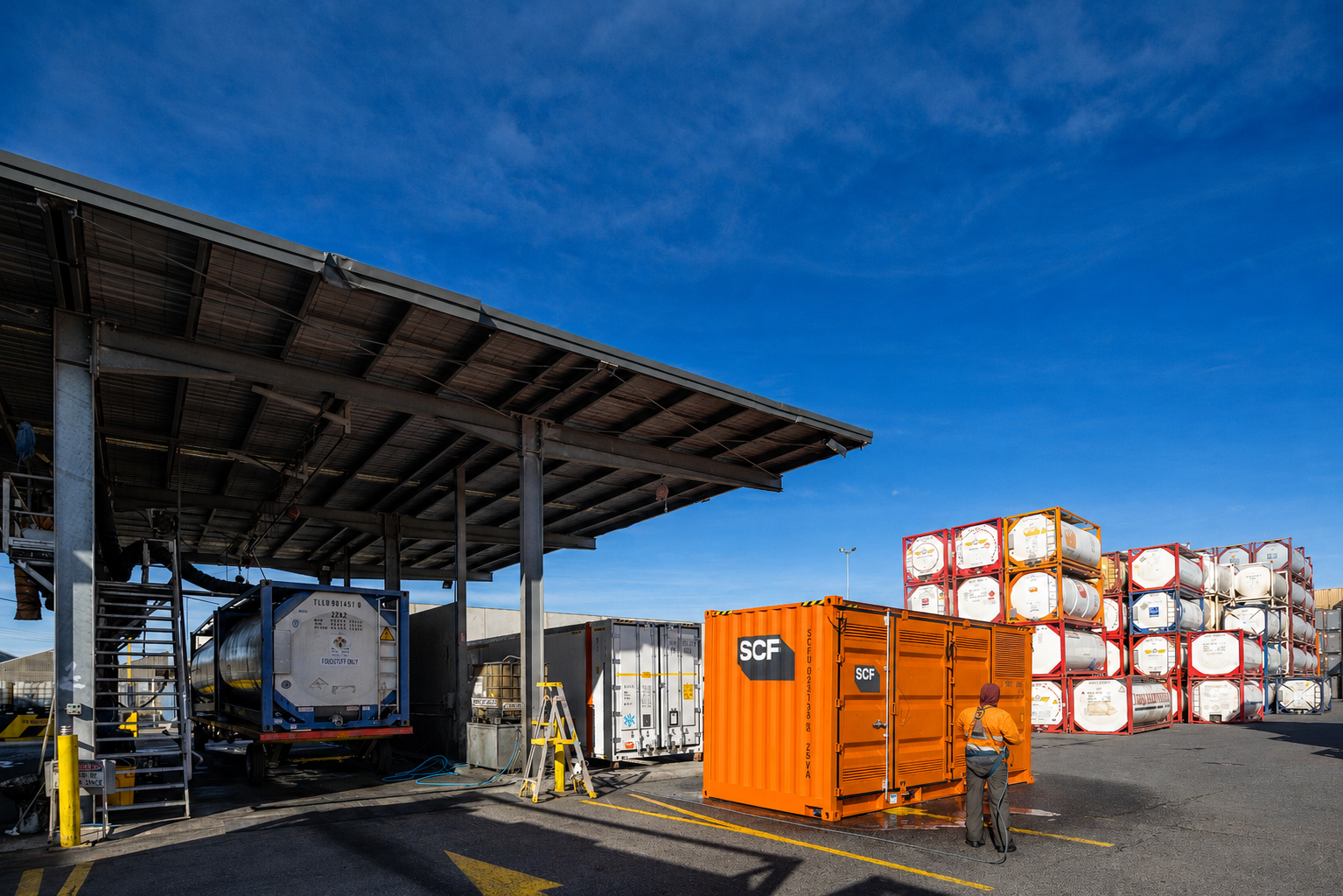
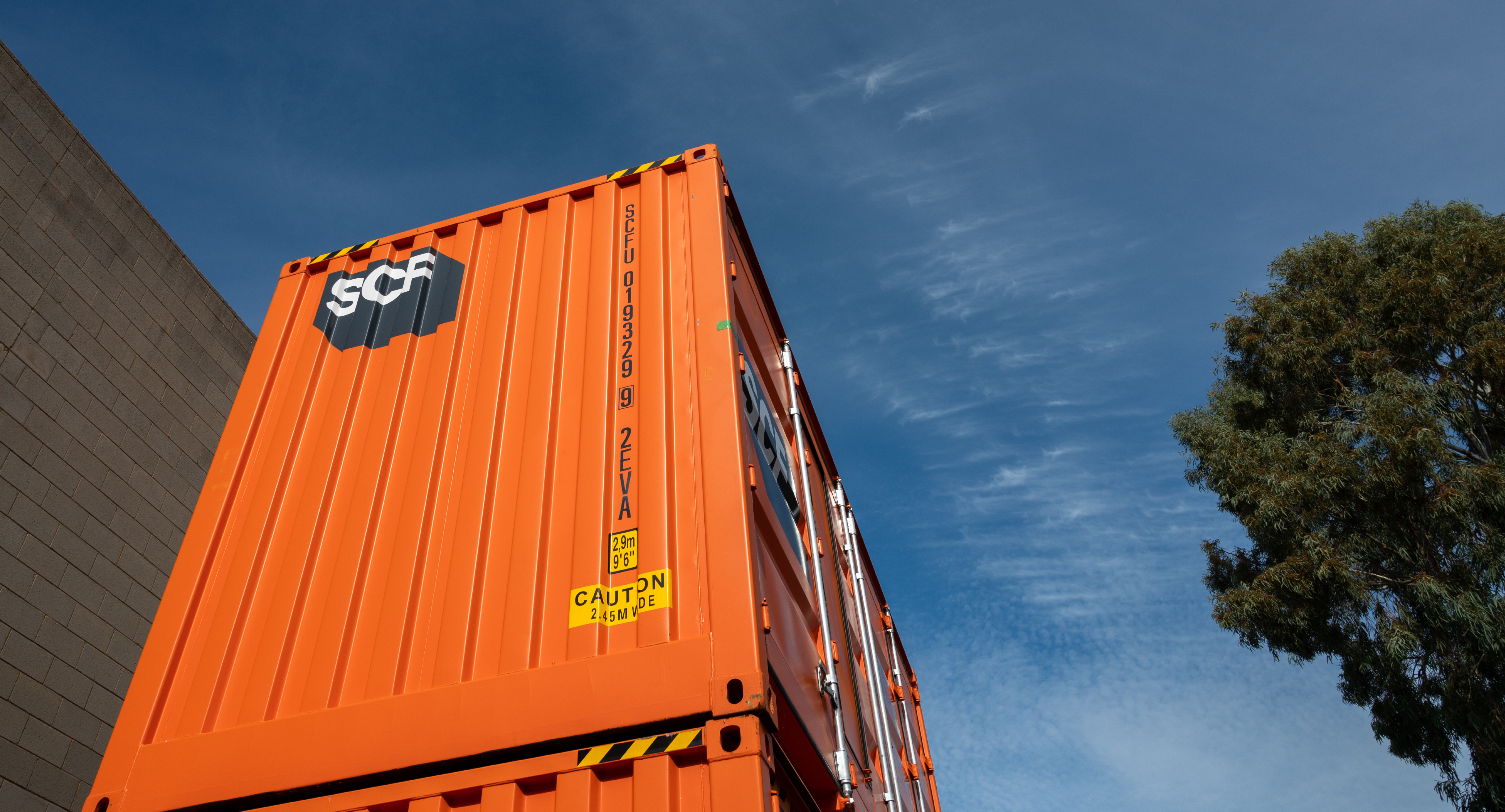
SCF Dangerous Goods Stack Morning

In short, GHS 7 identifies the chemical risk, while AS1940 engineers the storage solution. This article provides a practical overview of what Kiwi businesses and site managers need to understand about marrying AS1940 engineering with GHS 7 regulations, particularly when using packaged storage, chemical cabinets and detached stores.

Note: This article is a general overview only and does not replace the need to read and understand AS1940 & GHS 7 in full, alongside local New Zealand legislation.

What are Dangerous Goods?

While the term "Dangerous Goods" is legally used for transporting chemicals on the road, once those chemicals are stationary on your site, they are legally classified as Hazardous Substances.

Hazardous Substances are liquids, powders or mixtures that have explosive, flammable, corrosive, toxic or ecotoxic (environmentally harmful) properties. They represent an immediate risk to people, property or the environment if handled incorrectly.

These can take the form of petrol, acids, solvents, gases or even lithium batteries. Their storage and management on the ground are strictly governed by the Health and Safety at Work (Hazardous Substances) Regulations 2017, which is administered and enforced nationally by WorkSafe New Zealand.

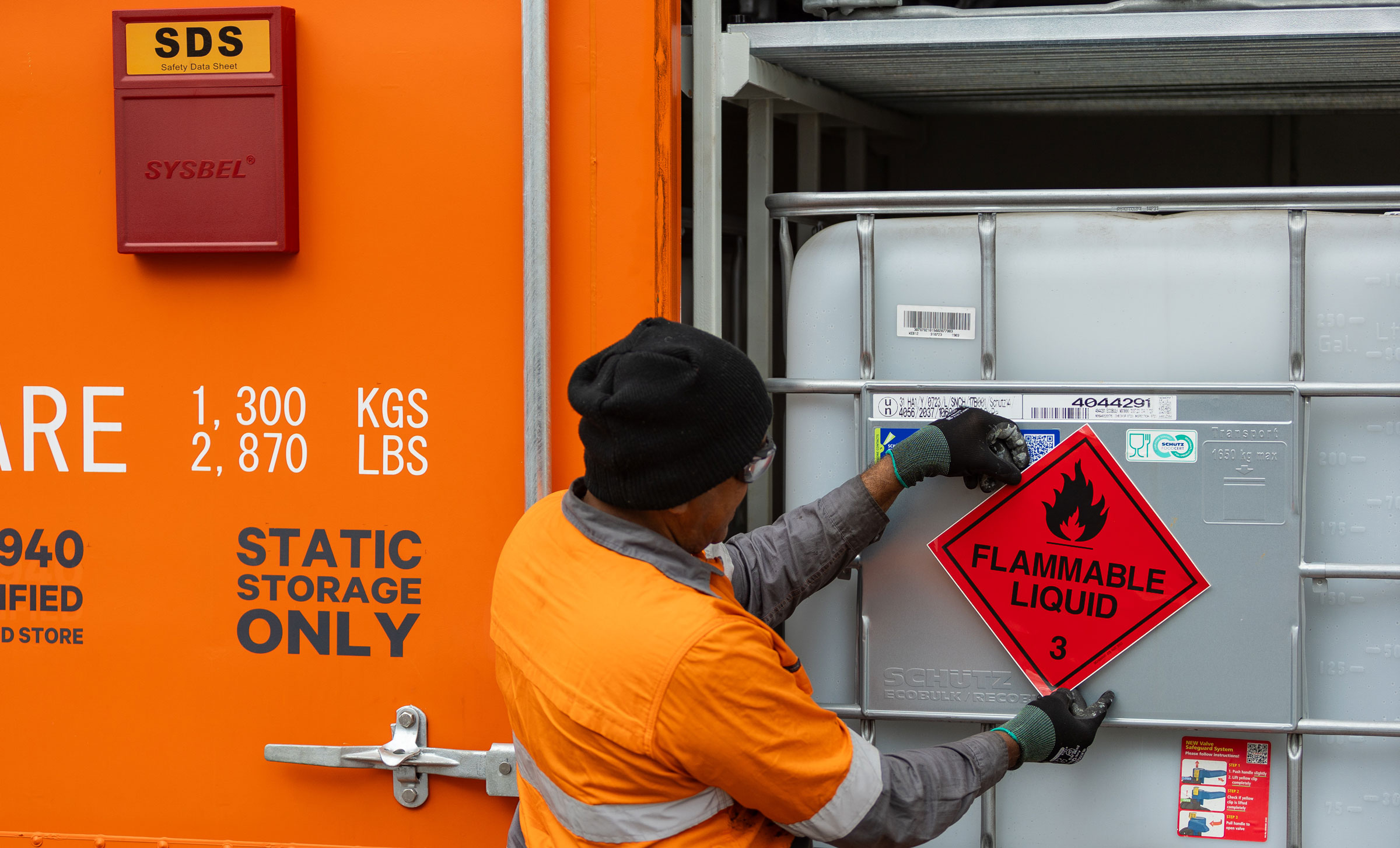
SCF worker placing a class 3 flammable liquid label on an IBC inside a Dangerous Goods Cabinet

Are there different types of Hazardous Substances? (The 9 GHS Classes) 

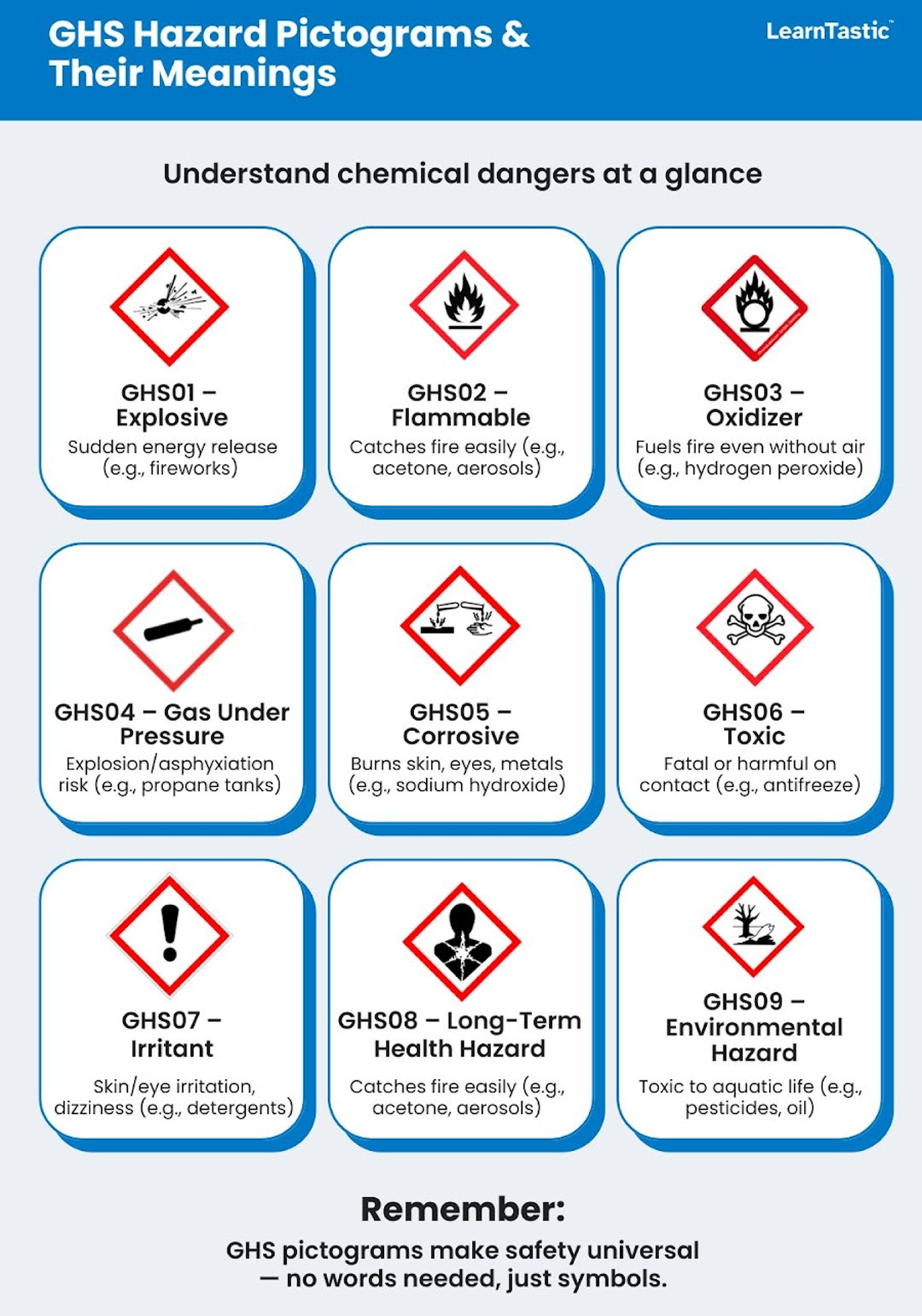
Rather than relying on transport class numbers, New Zealand uses the international GHS 7 framework. When checking your inventory labels, product packaging or Safety Data Sheets (SDS), you will see one or more of these 9 specific GHS pictograms: 

  1. Flammables
  2. Oxidisers
  3. Gases Under Pressure
  4. Explosives
  5. Corrosives


  1. Acute Toxicity (Poison)
  2. Chronic Health Hazards
  3. Lower-Level Health Hazards
  4. Ecotoxic

Classes of Hazardous Substances. Source: LearnTastic NZ

SCF’s Dangerous Good’s Storage Containers provide flexible storage for workplace inventories carrying GHS Flammable, Oxidiser, Toxic and Corrosive classifications (subject to Safety Data Sheet compliance).

What is AS1940?

AS1940 sets out the strict requirements for the safely managed storage and handling of Class 3 flammable and combustible liquids. Its primary objective is to prevent fire, explosions, environmental contamination and workplace injury.

New Zealand operates under a unified national framework, meaning AS1940 applies across the entire country and works directly alongside a single regulatory framework:

  • The National Law: The Health and Safety at Work (Hazardous Substances) Regulations 2017.

  • The Enforcing Body: WorkSafe New Zealand regulates and inspects sites from Auckland to Invercargill.

  • The Transport Exception: Moving these goods on public roads is regulated separately under the Land Transport Rule: Dangerous Goods 2005.

No matter if your site is located in the North or South Island, the exact same compliance rules, volume thresholds and AS1940 engineering requirements apply to your business.

Understand Your AS1940 Responsibilities

It is important to understand your responsibilities in storing flammables on your premises. The key considerations are listed below as a guide only and AS1940: The Storage and Handling of Flammable and Combustible Liquids should be read in full to confirm you meet all local legal obligations.

Step 1: Determine Your Storage Volumes & Thresholds 

The first key step is using the Environmental Protection Authority (EPA) Hazardous Substances Calculator. Begin by inputting the types and quantities of chemicals you wish to store and the calculator will output your exact legal requirements.

Most importantly, it will tell you if your volumes trigger the need for a Location Compliance Certificate (LCC). If you exceed specific threshold limits, your site must be physically inspected and certified by an independent, WorkSafe-authorised Compliance Certifier.

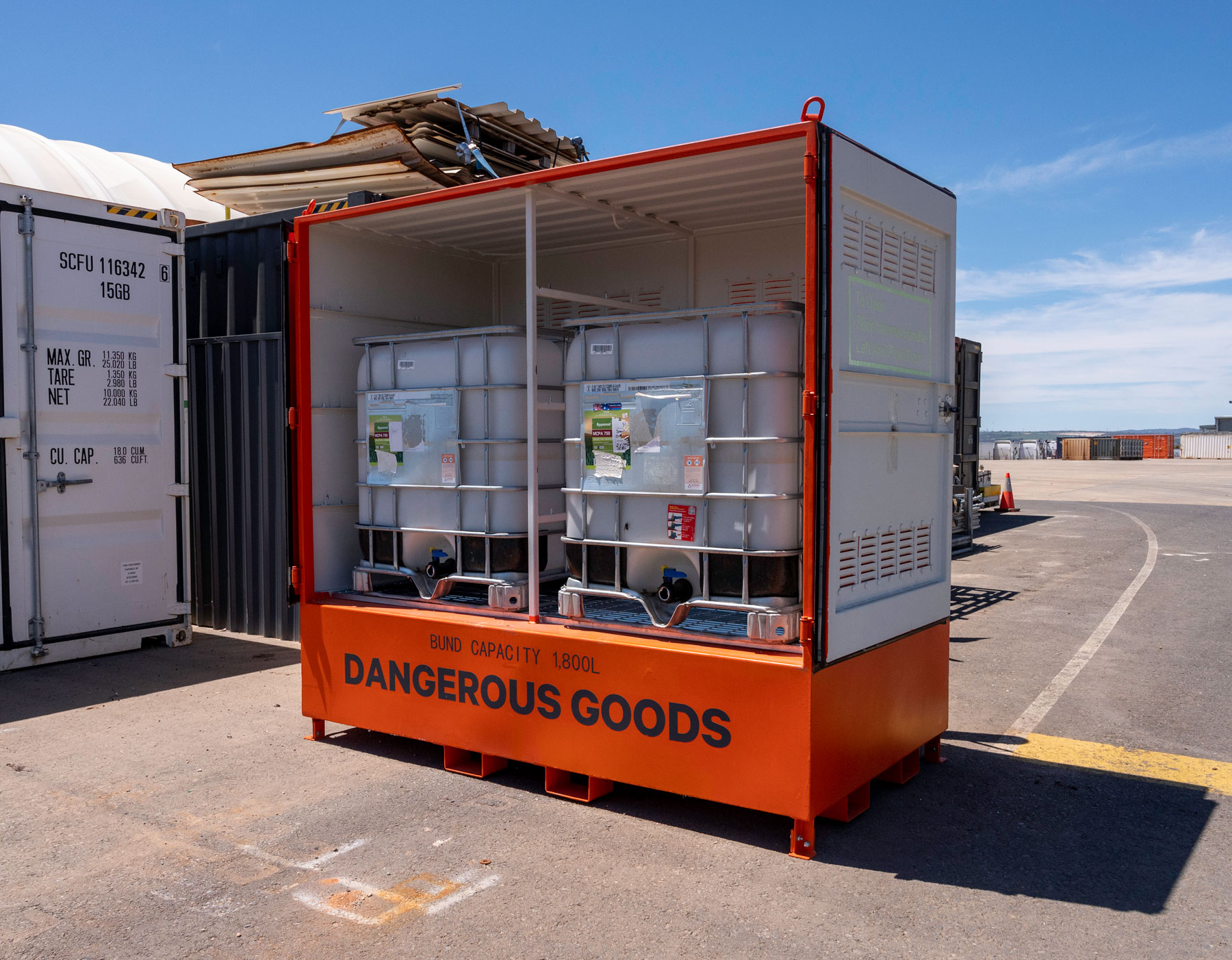
Two IBCs in an SCF Dangerous Goods cabinet

Step 2: Location and Separation Distances 

Where storage quantities exceed minor thresholds, physical separation distances become critical.

AS1940 specifies minimum legal distances between your storage area and property boundaries, protected places (like public spaces or main offices), on‑site buildings, and ignition sources.

These distances scale up as your stored volume increases. Where separation distances cannot be achieved due to site constraints, fire‑rated construction or boundary walls may be required

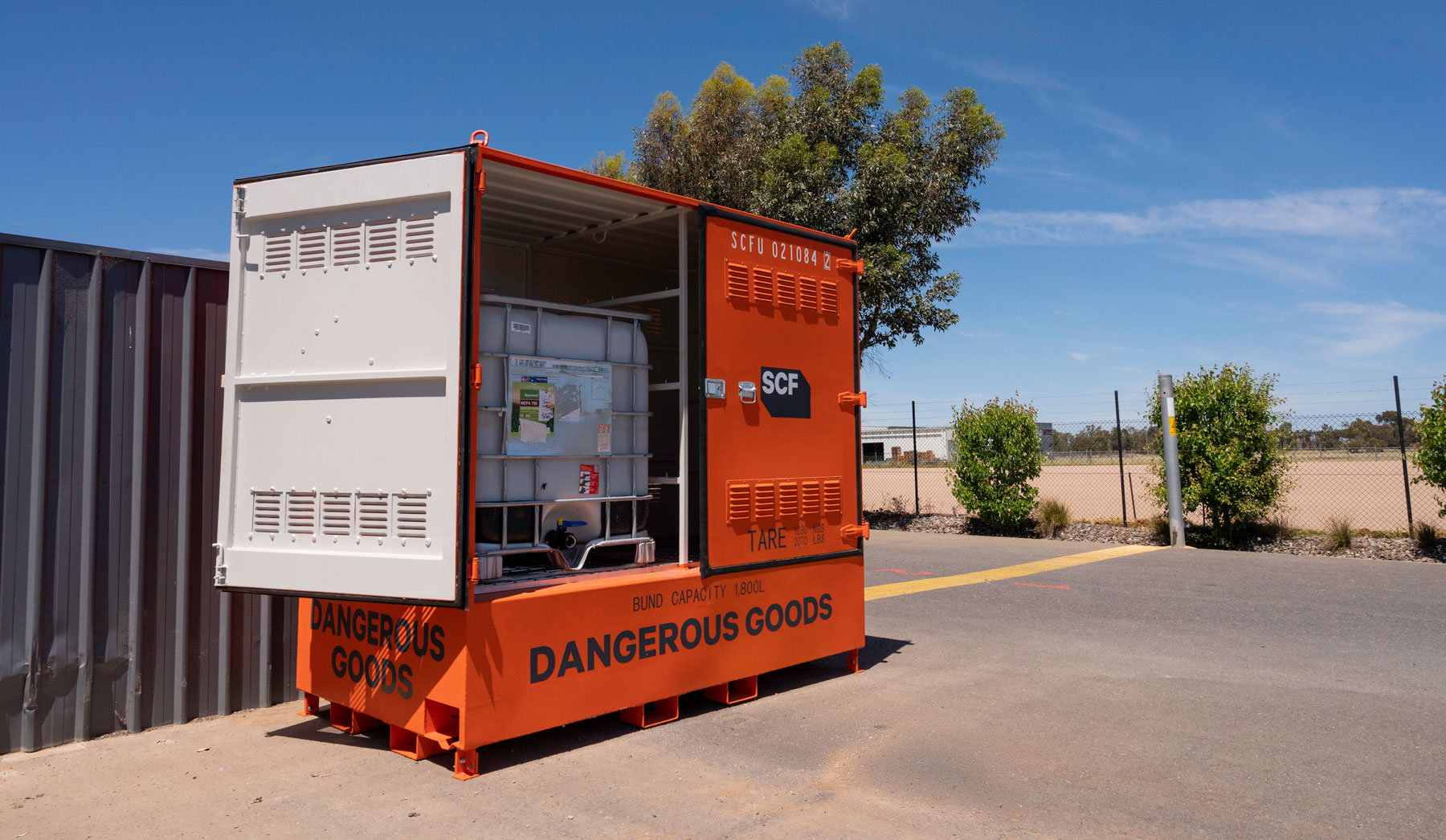
SCF DG Cabinet with ample separation from other dangerous goods

Step 3: Secondary Containment (Bunding)

Package storage areas must provide robust secondary containment to prevent hazardous liquids from escaping into the environment.

As a general principle under AS1940 and WorkSafe NZ regulations, bund capacity must be sufficient to contain either the largest single package or a specified proportion of the total stored volume, whichever is greater.

Your spill containment system must absolutely prevent discharge into stormwater, sewer systems, soil or natural waterways.

Businesses must also have clear, documented spill response procedures and compliant waste disposal paths.

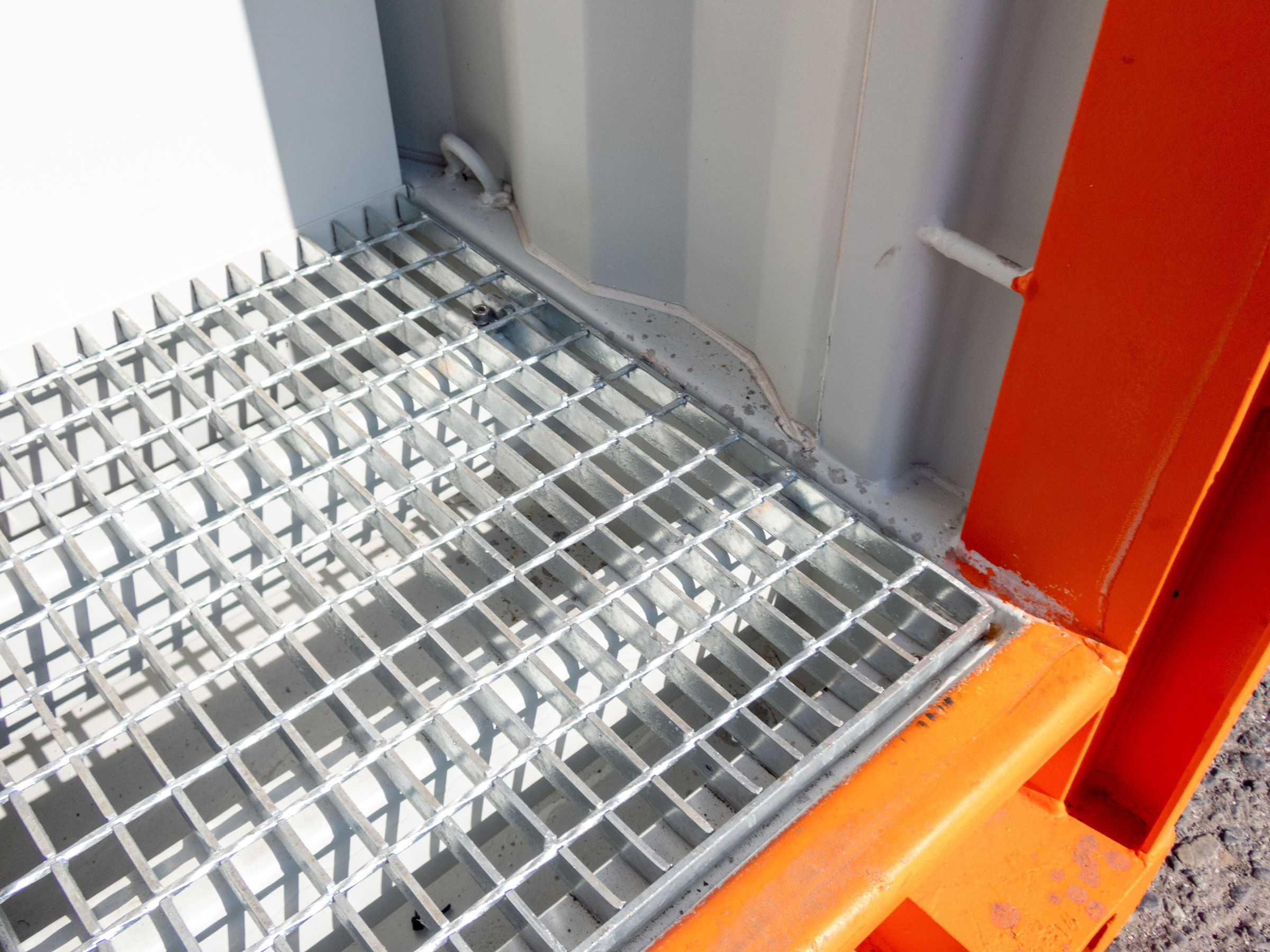
SCF's DG bunding

Step 4: Ventilation Requirements

Adequate ventilation is legally required to prevent the build‑up of flammable vapours and eliminate explosion risks. While ventilation can be natural or mechanical, simply cutting vents into a standard container is not sufficient.

A compliant ventilation design must consider vapour density (flammable vapours are often heavier than air and settle low), airflow paths and worker exposure limits.

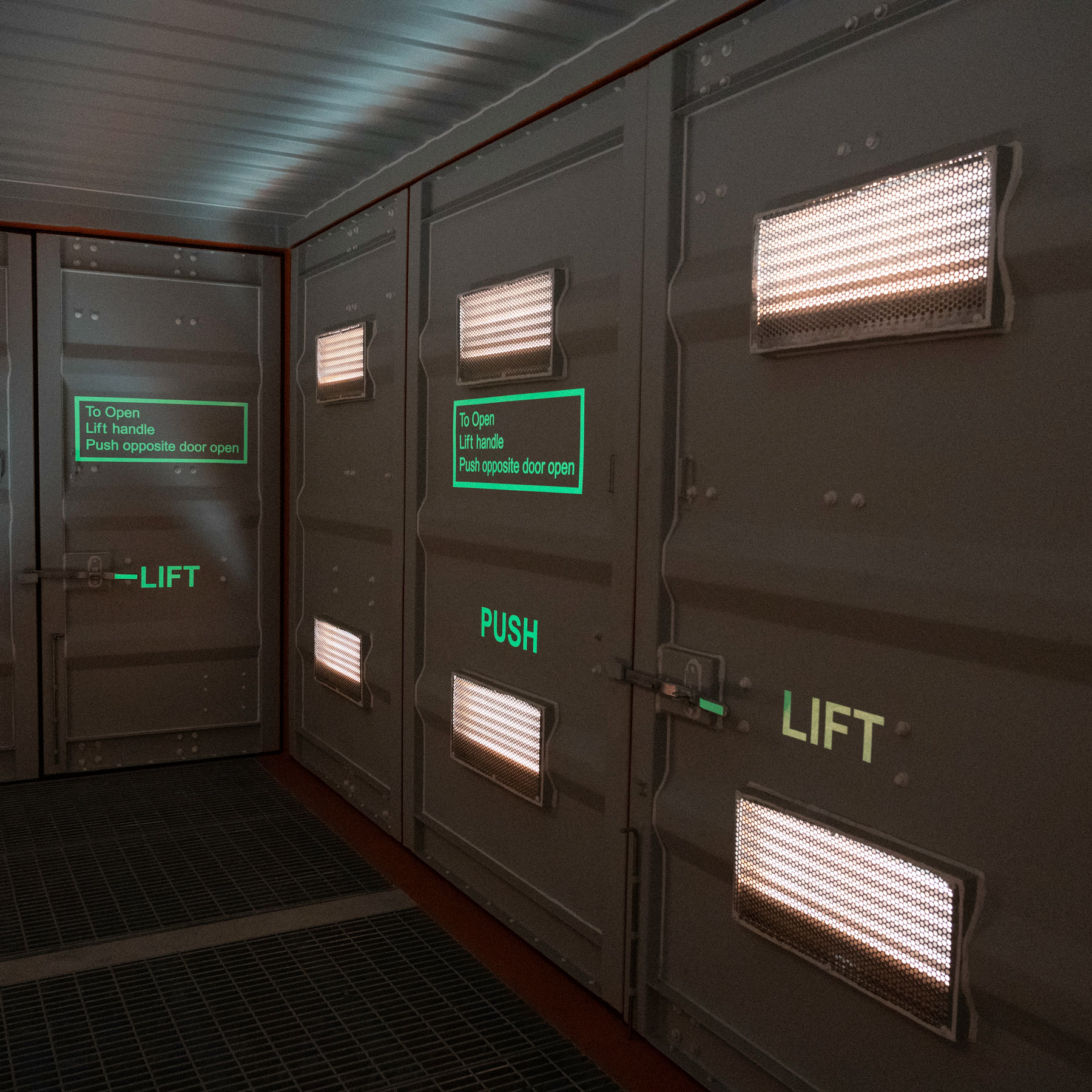
Ventilation as seen from the inside of an SCF Dangerous Goods container

Ventilation as seen from the inside of an SCF Dangerous Goods container

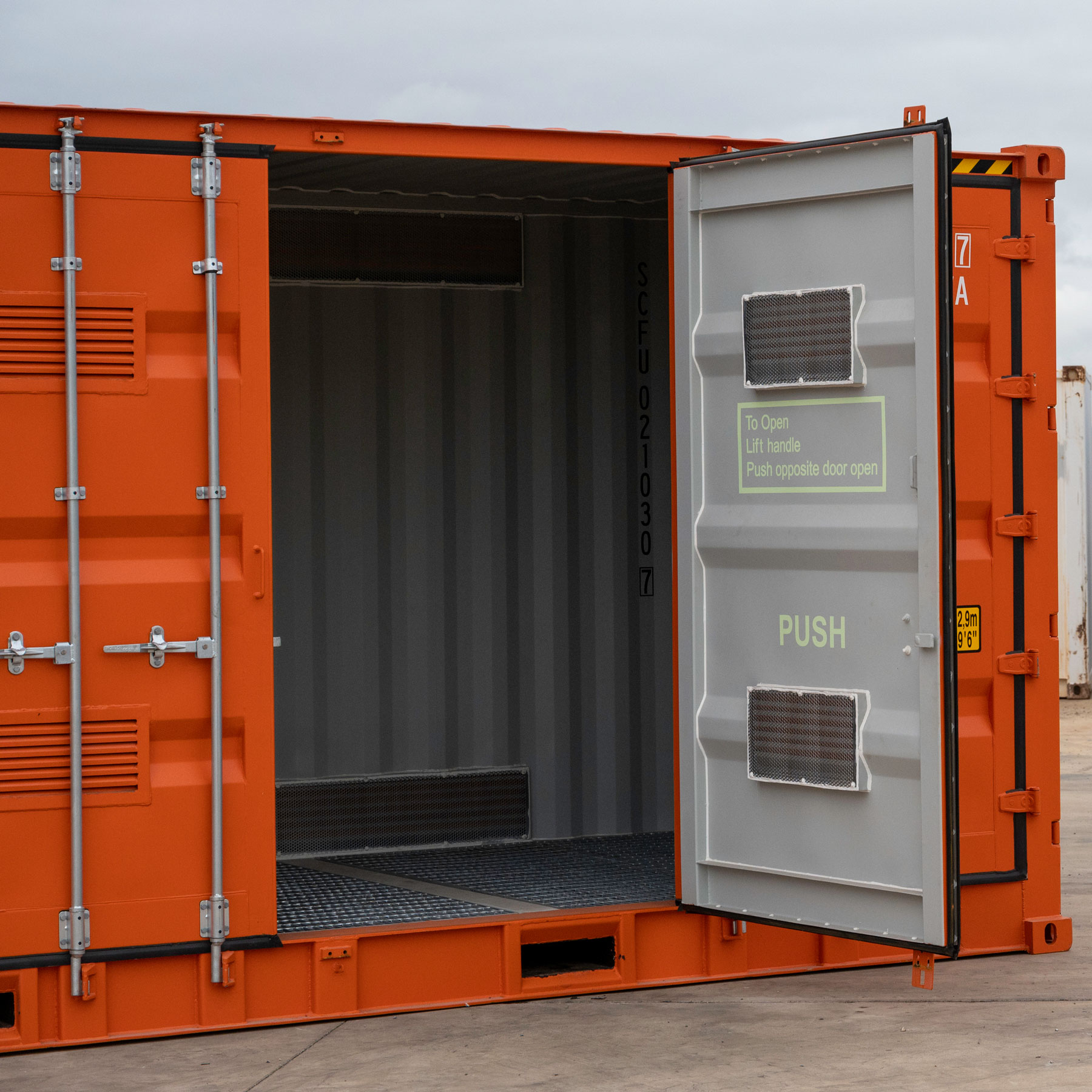
Ventilation as seen from the outside of an SCF Dangerous Goods container

Ventilation as seen from the outside of an SCF Dangerous Goods container

Step 5: Ignition Source Control

AS1940 and WorkSafe NZ require zero tolerance for ignition sources in and around flammable storage areas. This includes managing electrical equipment, static electricity, hot work activities (like welding) and incompatible operations nearby. Where vapour risks exist, all electrical installations must comply with strict hazardous area zone requirements.

Step 6: Detached Stores and Freight Containers

Standard shipping or freight containers are not legally suitable for flammable liquid storage out of the box.

Where containers or detached stores are deployed, they must be purpose-built to meet AS1940 and NZ regulatory requirements relating to integrated bunding, high/low ventilation, structural integrity, escape hardware and signage.

Compliance depends on how and where the store is installed, the quantities stored and how the site is managed, not on the structural product alone.

Step 7: Approved Storage Cabinets

Storage cabinets are commonly used for smaller volumes of flammable liquids kept indoors or closer to work areas.

Cabinet design requirements include dual-skin fire‑resistant construction, liquid‑tight sumps (minimum 150mm depth), self‑closing doors, and appropriate ventilation catchments.

Maximum storage capacities and design requirements vary depending on cabinet type and installation layout and must be assessed against AS1940 criteria.

SCF's Dangerous Goods Containers

SCF has been at the forefront of dangerous goods storage storage for over 15 years. It has designed and produced a range of safety and operational features that have become industry standards across portable containers and cabinets. This constant focus on safety and innovation is what separates SCF from others available on the market. 

SCF Container Solutions - 10ft Dangerous Goods Container

10ft Dangerous Goods Container

Dangerous goods storage is an all-important part of any workplace’s health and safety plan. Make sure you get it right, with SCF’s 10ft Dangerous Goods Container.
Learn more
SCF Container Solutions - 20ft Dangerous Goods Single Side Door

20ft Dangerous Goods Single Side Door

SCF’s 20ft Dangerous Goods Single Side Door Container has all the same purpose-designed features as the rest of our dangerous goods range. It’s solid, secure, well-ventilated, and equipped with an emergency escape. Even better, it fully opens up on one side.
Learn more

Step 8: Emergency Planning and Signage

Beyond physical structures, WorkSafe NZ places huge importance on emergency management. If you store hazardous substances above certain volumes, you are legally required to have:

  • Clear, compliant hazardous substance placard signage at your site entrance and on the storage units.

  • An official, regularly tested Emergency Response Plan (ERP).

  • Accessible Fire Extinguishers of the correct type and capacity.

  • Up-to-date Safety Data Sheets (SDS) available to staff and emergency services.

Independent Compliance Assessment

SCF’s Hazardous Substance Storage Containers have been independently assessed as compliant with the requirements for detached stores under AS1940 and New Zealand EPA secondary containment guidelines, based on their design, construction, integrated ventilation, high-capacity spill bunds, and dual emergency access provisions.

This assessment has been provided by the Chair of the AS1940 Standards Committee, acting in an independent technical capacity.

Please Note: Assessment relates to the storage unit design only. Achieving full site compliance and securing your Location Compliance Certificate (LCC) remains subject to site‑specific factors including installation location, total quantities stored, separation distances, operational controls, and emergency management.

Dangerous Goods Cabinets for Smaller Requirements

SCF's range of certified chemical cabinets provides a solution for smaller requirements on your site. They are all built with the same standards and features found in our large-scale 10ft and 20ft storage containers.

SCF Container Solutions - Dangerous Goods Store

Dangerous Goods Store

Our Dangerous Goods Store is designed to house all your pre packaged dangerous goods safely on site. With ample shelving, lock up cages and a bund for spills, this unit is your compliant DG solution.
Learn more
SCF Container Solutions - Chemical Storage Cabinet

Chemical Storage Cabinet

Free up space in your workshop by safely storing your dangerous goods, including chemicals, corrosives and flammables, outside in a secure, lockable Chemical Storage Cabinet.
Learn more

Final Thoughts

New Zealand's hazardous substances regulations exist to protect your workers, your property and our local environment.

Navigating AS1940 and WorkSafe thresholds starts with knowing your volumes, utilizing the EPA calculator and selecting compliant storage infrastructure. While purpose‑built units significantly streamline your path to legal compliance, remember that your site must always be assessed as a holistic system to successfully pass compliance inspection.

Still have questions?

Our team of storage specialists have worked with customers across a wide range of industries. While they cannot legally certify your site, they can recommend the right product specifications for your required storage volumes and connect you with trusted Compliance Certifiers to ensure your site gets signed off smoothly.

Speak to Someone Who Knows Dangerous Goods

Prefer to speak to someone? Call 0800 40 20 10

We get it, sometimes it is easier to speak directly with a human who knows what they're talking about. Give us a call on 0800 40 20 10 if you prefer to speak to a member of our friendly team. 

Subscribe & stay informed

Receive the latest in products, trends, news, events and tips.